
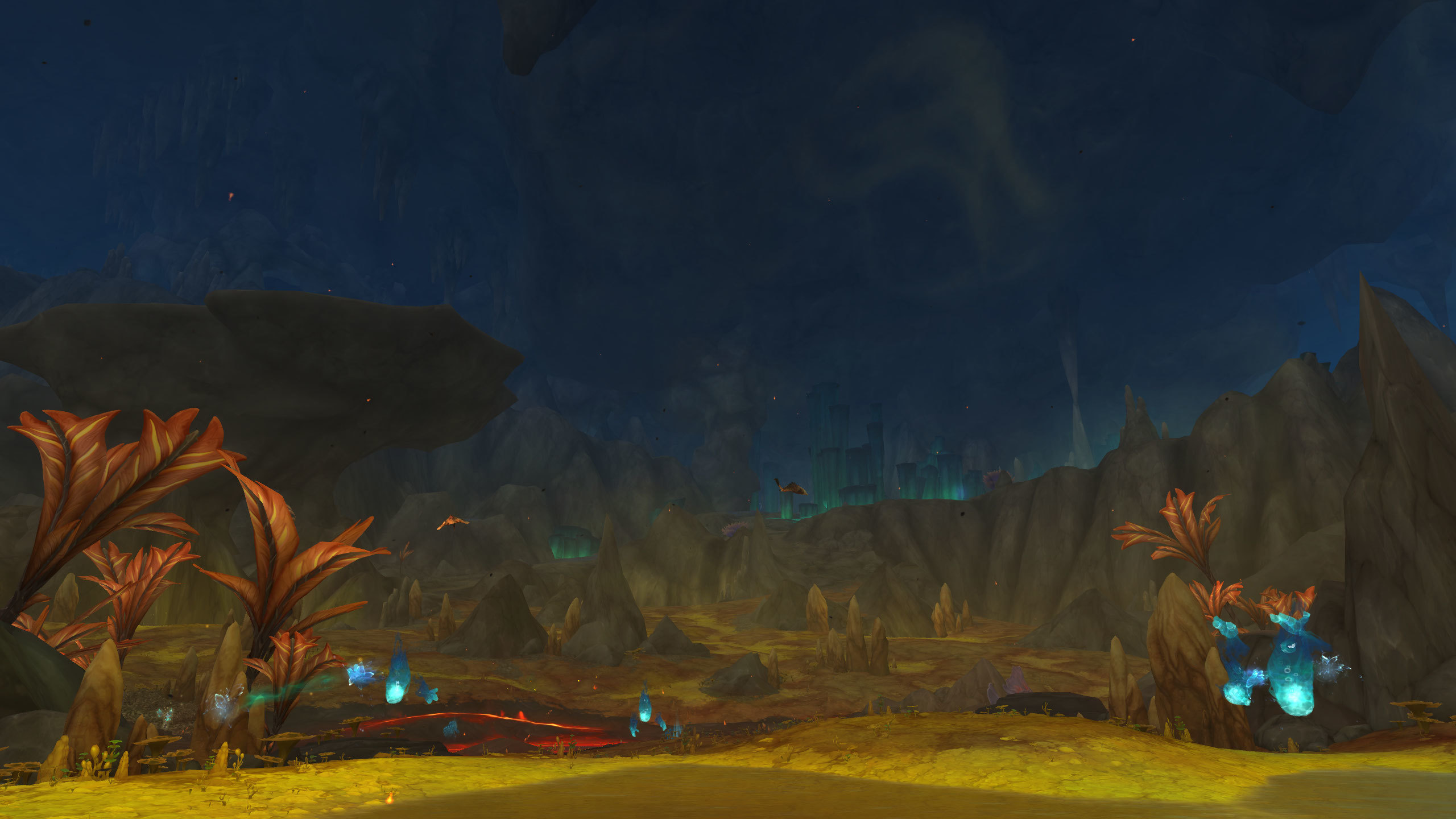
In World of Warcraft, the use of light and shadow goes far beyond visual aesthetics. Blizzard has masterfully employed these elements to reinforce story themes across each expansion, creating a dynamic and immersive atmosphere that supports the game’s narrative.
From the golden hues of the Alliance’s lands to the eerie darkness of the Shadowlands, light and shadow are not just lighting effects — they serve as integral storytelling tools. This article explores how Blizzard uses light and shadow to shape the mood, enhance the story, and create unforgettable experiences for players.
The Role of Light and Shadow in Zone Design
From the very first expansion, Blizzard understood the power of visual storytelling. The design of each zone in World of Warcraft is meticulously crafted to convey the tone and emotional backdrop of the story. Light and shadow are used not only to highlight the architecture, terrain, and sky but to create an emotional connection between the player and the environment. For instance, the bright, vibrant landscapes of Pandaria evoke feelings of serenity and adventure, while the dark, foreboding shadows of Icecrown reflect the looming threat of the Scourge.

The careful manipulation of light and shadow in these zones reinforces the game’s narrative, allowing players to feel the mood and stakes of the story even before they read the quest text.
Using Light and Shadow to Define Factions
Light and shadow are not only used to create atmosphere but also to define the factions within World of Warcraft. The Alliance, often associated with light, nobility, and order, is represented by bright, warm tones. In contrast, the Horde, often seen as fierce, independent, and untamed, is depicted through darker, more muted colors. These visual distinctions help players immediately identify with the faction they belong to and strengthen the emotional connection to their side of the conflict.
The use of light and shadow reflects the values and struggles of the factions, making the environment feel like an extension of the faction’s identity.
- Alliance: Bright and welcoming landscapes, symbolizing unity and honor.
- Horde: Darker, harsher environments that emphasize survival and strength.
Light and Shadow in Storytelling: From Heroes to Villains
In World of Warcraft, characters are often defined by their relationship to light and shadow. Heroes are bathed in light, symbolizing hope, purity, and righteousness, while villains are shrouded in shadow, representing corruption, darkness, and chaos. These visual cues allow players to quickly understand the moral standing of characters and the themes they represent.

Consider the contrast between characters like Anduin Wrynn, whose association with light symbolizes hope for the Alliance, and Sylvanas Windrunner, whose descent into darkness reflects the complex and tragic nature of her character. The use of light and shadow in these character designs enhances their narrative arcs and reinforces their roles in the story.
The Symbolism of Light and Shadow in Key Expansions
Blizzard uses light and shadow in specific expansions to underscore major story themes. In “The Burning Crusade,” the bright, vibrant colors of Outland represent the hope of redemption, contrasting with the darkness of the demonic forces that threaten to corrupt the world. In contrast, “The Shadowlands” utilizes deep shadows and eerie lighting to symbolize the unknown and the haunting power of death, drawing players into the mystery of the afterlife.
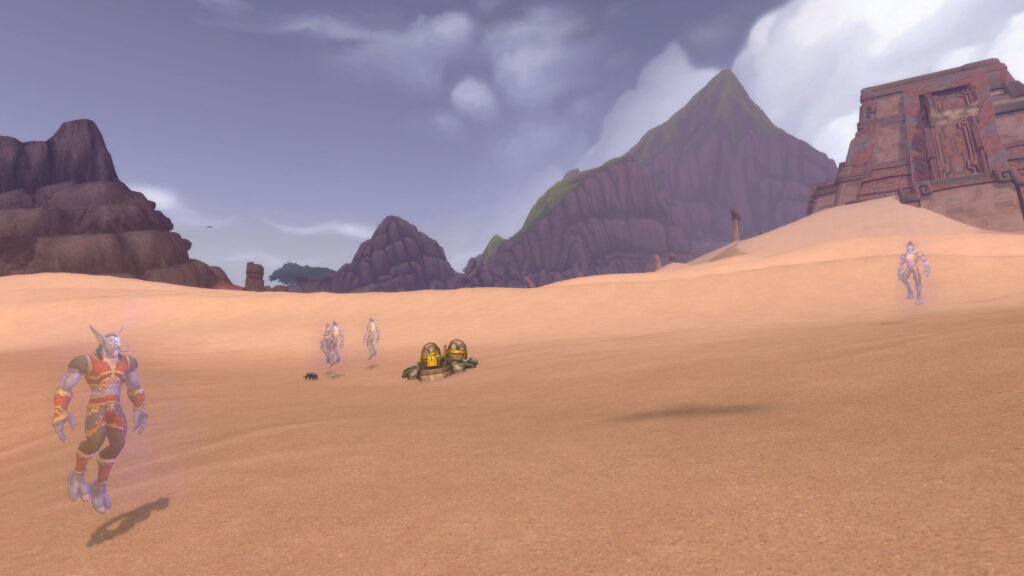
Each expansion’s use of light and shadow is carefully aligned with its themes, creating an immersive experience that strengthens the emotional impact of the narrative.
How Light and Shadow Influence Player Emotions
The emotional impact of light and shadow extends to the player experience. The use of light can evoke feelings of calm, hope, and safety, while shadows can create unease, fear, and tension. Blizzard understands that visual elements like lighting can trigger strong emotional responses, and they use these elements to enhance the overall storytelling experience. Whether it’s the warm light of a sunrise in a peaceful zone or the cold, oppressive darkness of a forsaken battlefield, light and shadow serve as powerful tools to guide player emotions.
- Warm Light: Evokes hope, peace, and serenity.
- Shadows: Create tension, mystery, and fear.
Conclusion
Light and shadow are more than just visual effects in World of Warcraft — they are integral parts of the storytelling process. Blizzard masterfully uses these elements to shape the narrative, define factions, and evoke emotional responses from players.
By manipulating light and shadow, Blizzard creates an immersive experience that draws players deeper into the world of Azeroth and reinforces the game’s overarching themes. Whether it’s the bright hope of the Alliance or the dark mystery of the Shadowlands, light and shadow play a crucial role in making Warcraft’s story one of the most memorable and emotionally impactful in gaming.
Leave a Reply