

Mythic+ dungeons are one of the most challenging and rewarding parts of World of Warcraft, requiring tight coordination, strong individual play, and efficient use of cooldowns. For those who want to go above and beyond, being the player who can “carry” a group—ensuring success even when the run gets messy—is a badge of honor.
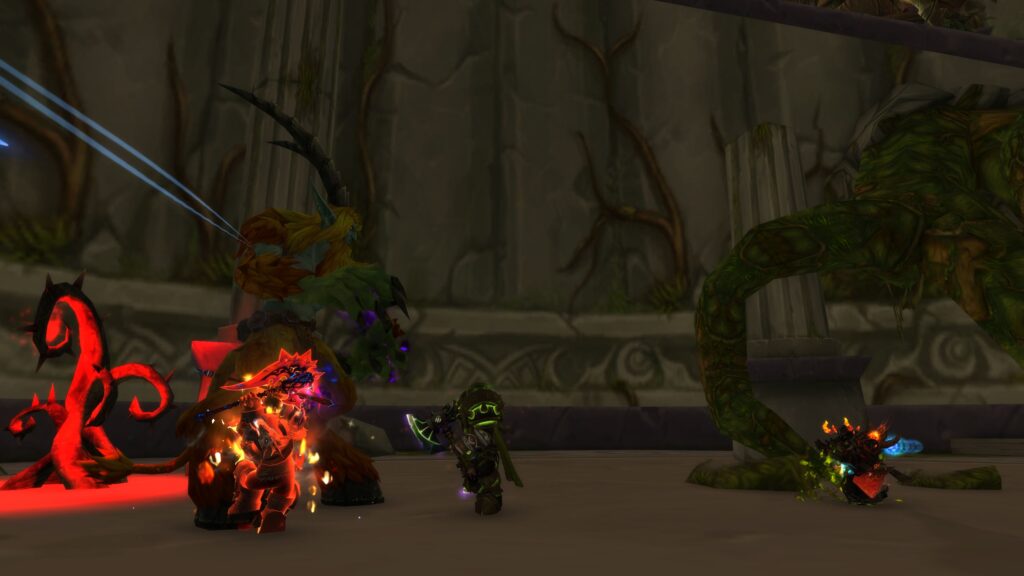
Carrying doesn’t necessarily mean doing all the work yourself. Instead, it’s about making smart decisions, adapting to mistakes, and using your class’s strengths to overcome tough pulls and encounters. If you can anticipate problems, guide your group through tricky mechanics, and maintain high performance, you can turn a shaky run into a smooth finish.
Understanding Dungeon Routes and Affixes
One of the most important steps in carrying a Mythic+ group is understanding the dungeon’s layout, boss mechanics, and how affixes will affect each pull. Affixes like Bolstering, Explosive, and Necrotic can dramatically change how you approach trash packs and bosses. By planning a solid route and knowing which pulls to avoid, you can prevent unnecessary wipes and keep the group’s momentum going.
Study popular routes on sites like Raider.IO or watch top-level streamers to see how they handle challenging weeks. Once you’re confident in the optimal path, communicate it to your group at the start of the dungeon. Being the player who knows the plan and can call out adjustments mid-run is a key aspect of carrying the team.
Maximizing Your Damage Output
High DPS is often a cornerstone of carrying a group, especially in pugs where other players might be underperforming. If you’re consistently doing top damage, you reduce the overall time it takes to clear trash and defeat bosses. To achieve this, focus on perfecting your rotation, timing cooldowns for large trash pulls, and using utility spells to minimize downtime.
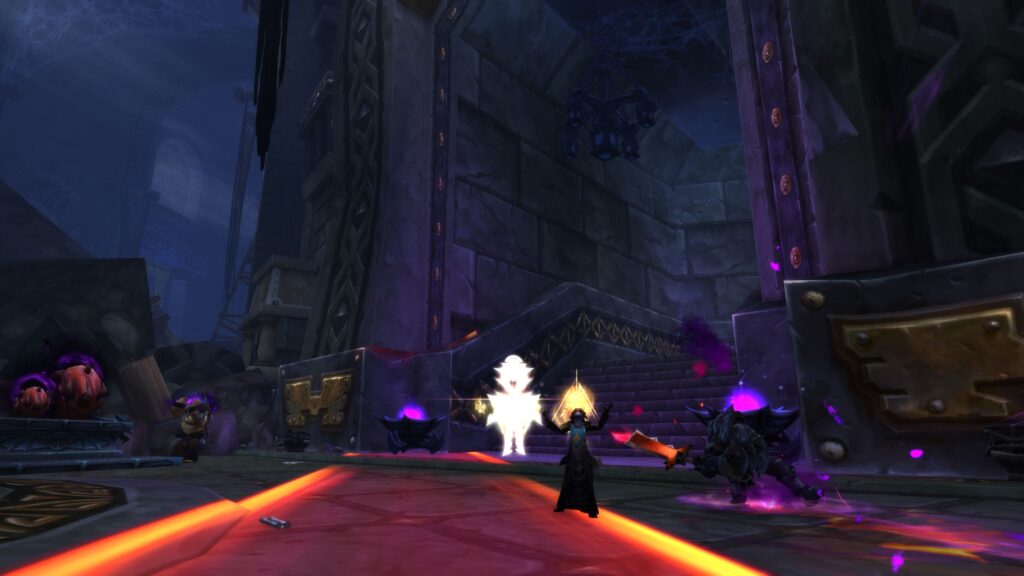
Consumables, such as potions and buff food, can also help push your damage higher. When your group sees that you’re bringing strong numbers, they’ll have more confidence in your leadership, making it easier to guide them through tough spots.
Adapting to Mistakes and Recovery
Even the best groups make mistakes, and part of being a carry is how you handle those moments. If a player dies early in a pull, can you pick up the slack? If the tank loses aggro on a large pack, can you kite or crowd-control to give them a chance to recover?
Having a “never give up” mentality and knowing how to mitigate disaster—whether by kiting, using personal defensives, or calling for a quick battle resurrection—can save runs that might otherwise fall apart. Being calm under pressure and finding ways to keep the group moving forward separates true carries from average players.
Effective Communication
Carrying isn’t just about numbers; it’s also about leadership. If you see a problem ahead—such as an upcoming dangerous pull or a tricky boss mechanic—say something. A well-timed reminder can prevent wipes and make the run feel more organized.
Whether it’s calling out interrupts, asking a healer to save cooldowns for a specific point, or marking targets for priority kills, clear communication keeps everyone on the same page. Even if you’re not the group leader, taking the initiative to guide others can turn a chaotic run into a smooth and successful one.
Balancing Aggression and Safety
Part of carrying is knowing when to push the pace and when to play cautiously. If the group is struggling on a particular pull, it might be worth splitting the pack into smaller, more manageable groups. On the other hand, if the timer is tight, you may need to push larger pulls and trust your cooldowns and damage output to handle it.
Reading the group’s performance and adjusting your approach as needed shows a level of awareness that can keep a run on track. Remember, carrying isn’t about brute-forcing through everything; it’s about making the right calls at the right time to maintain a steady pace.
Using Your Class’s Utility
Every class brings something unique to the table, and knowing how to leverage your utility spells can make a huge difference. For example, Mages have Polymorph for crowd control, Priests have Mass Dispel, and Hunters can use Freezing Trap or Misdirection to handle tricky pulls. Using these tools at the right time can prevent disasters before they happen.
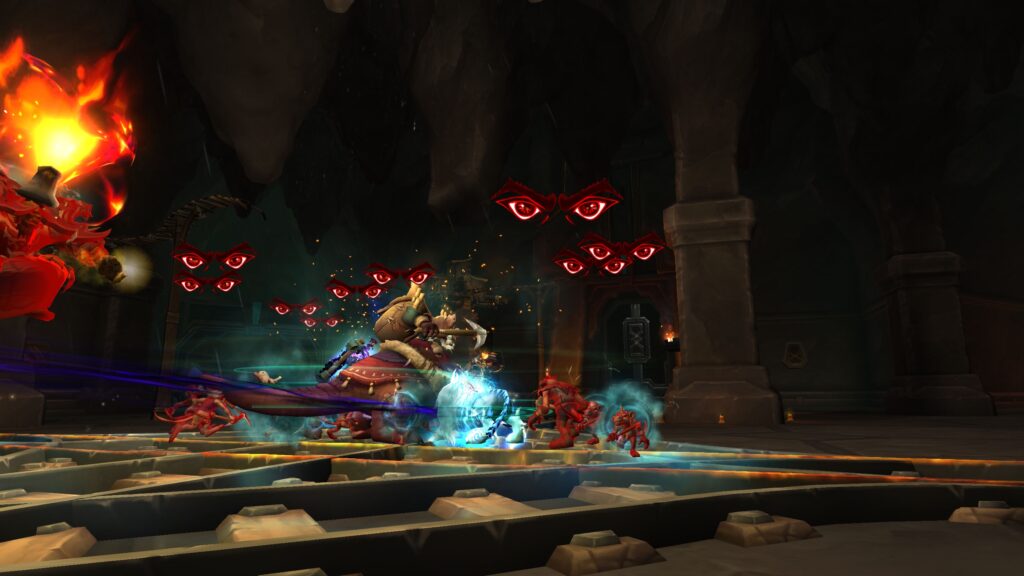
If you master your class’s utility, you’ll find it much easier to handle unexpected situations. Whether it’s using a well-timed stun to interrupt a dangerous cast or dropping a movement speed boost to help your team avoid mechanics, smart utility usage can turn you into the player your group depends on.
Conclusion: Stepping Up as the Team’s Backbone
Carrying a Mythic+ group isn’t about showing off; it’s about making sure the run succeeds, even when things go wrong. By knowing the dungeon inside out, maximizing your damage, adapting to mistakes, communicating effectively, and using your class’s strengths, you can ensure that your group reaches the finish line—even on tough weeks.
Being the player who consistently steps up in challenging situations isn’t just about the gear or the numbers—it’s about showing leadership, making smart decisions, and helping your team shine. If you can do that, you’ll be more than just a strong player; you’ll be the cornerstone of every Mythic+ run you join.
Home
Leave a Reply